Is Twitch Back in the Gambling Game? How the Platform War Is Shifting in 2026
Casino streaming isn’t a fringe corner of the internet anymore. It’s a structured, multi-platform industry with its own stars, formats, and monetization playbooks. The audience knows the difference between a raw bonus hunt, a polished sweepstakes video, and a sponsored “big win” clip. And in 2026, viewers aren’t just watching – they’re analyzing.
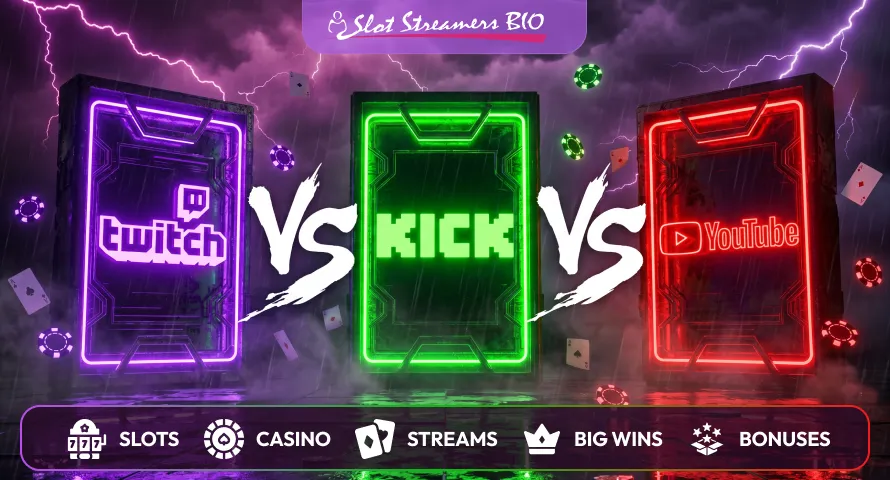
For a while, the ecosystem felt simple. Kick was the home of high-stakes chaos. Twitch positioned itself as the cleaned-up, “responsible” alternative. YouTube sat in the middle with edited, algorithm-friendly content.
That clarity is gone now.
Twitch’s recent move to introduce betting ads in the United States has blurred a line that once defined the entire platform war. And suddenly, the conversation isn’t about who allows gambling but who profits from it, and how transparently they do it.
How We Got Here
To understand 2026, you have to go back to 2022, the moment casino streaming split in two.
That was when Twitch cracked down hard. The platform banned streams featuring unlicensed slots, roulette, and dice sites, framing the move as a way to protect users. Gambling went from being one of Twitch’s biggest categories to something pushed to the margins.
The backlash from creators was immediate. High-profile streamers, the ones driving massive slot viewership, didn’t disappear. They relocated. And that’s where Kick enters the story.
Launched in 2022 with backing tied to the casino operator Stake, Kick positioned itself as the exact opposite of Twitch. It welcomed gambling streams, offered better revenue splits, and didn’t try to moralize the content. That combination triggered a mass migration.
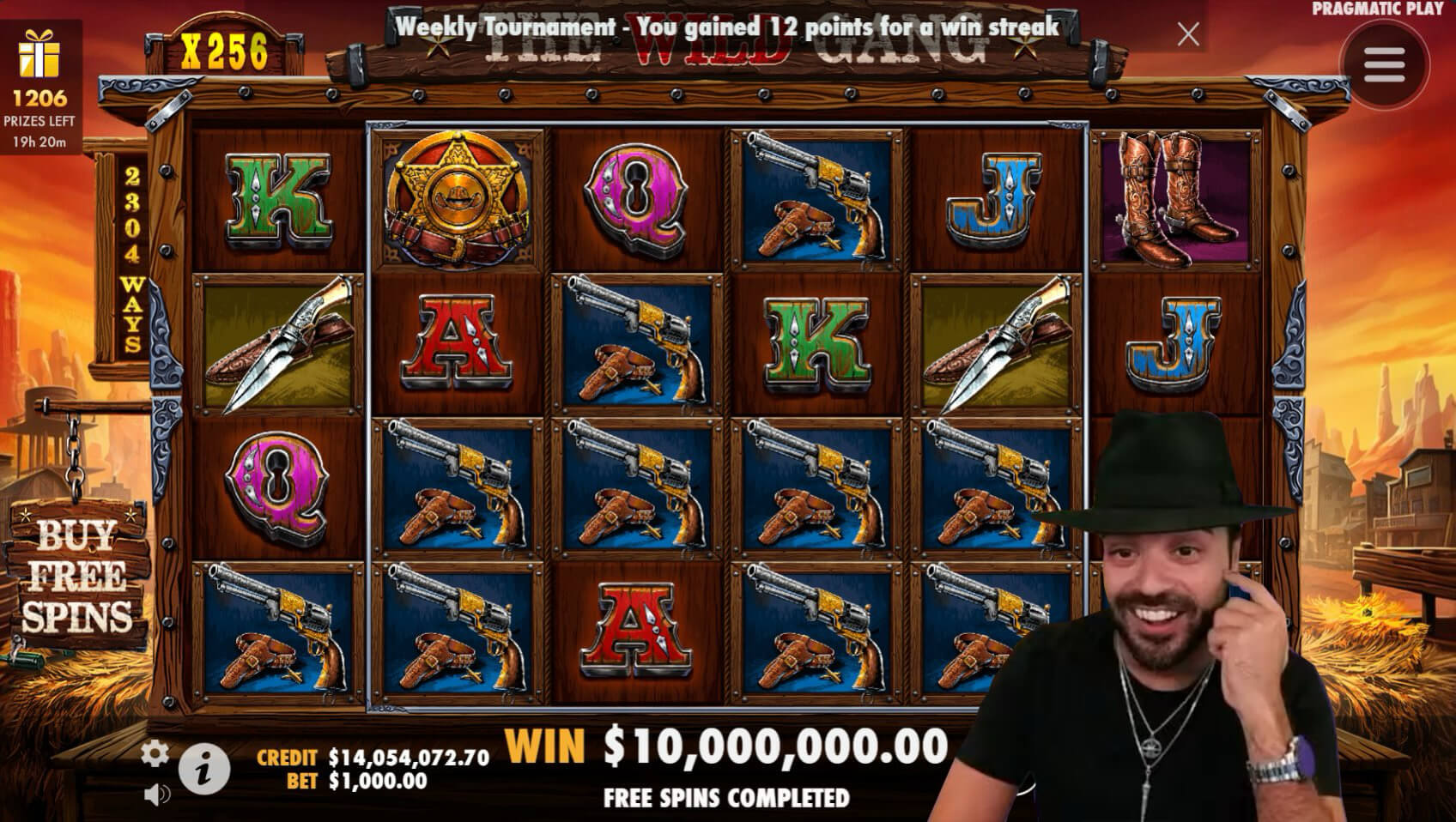
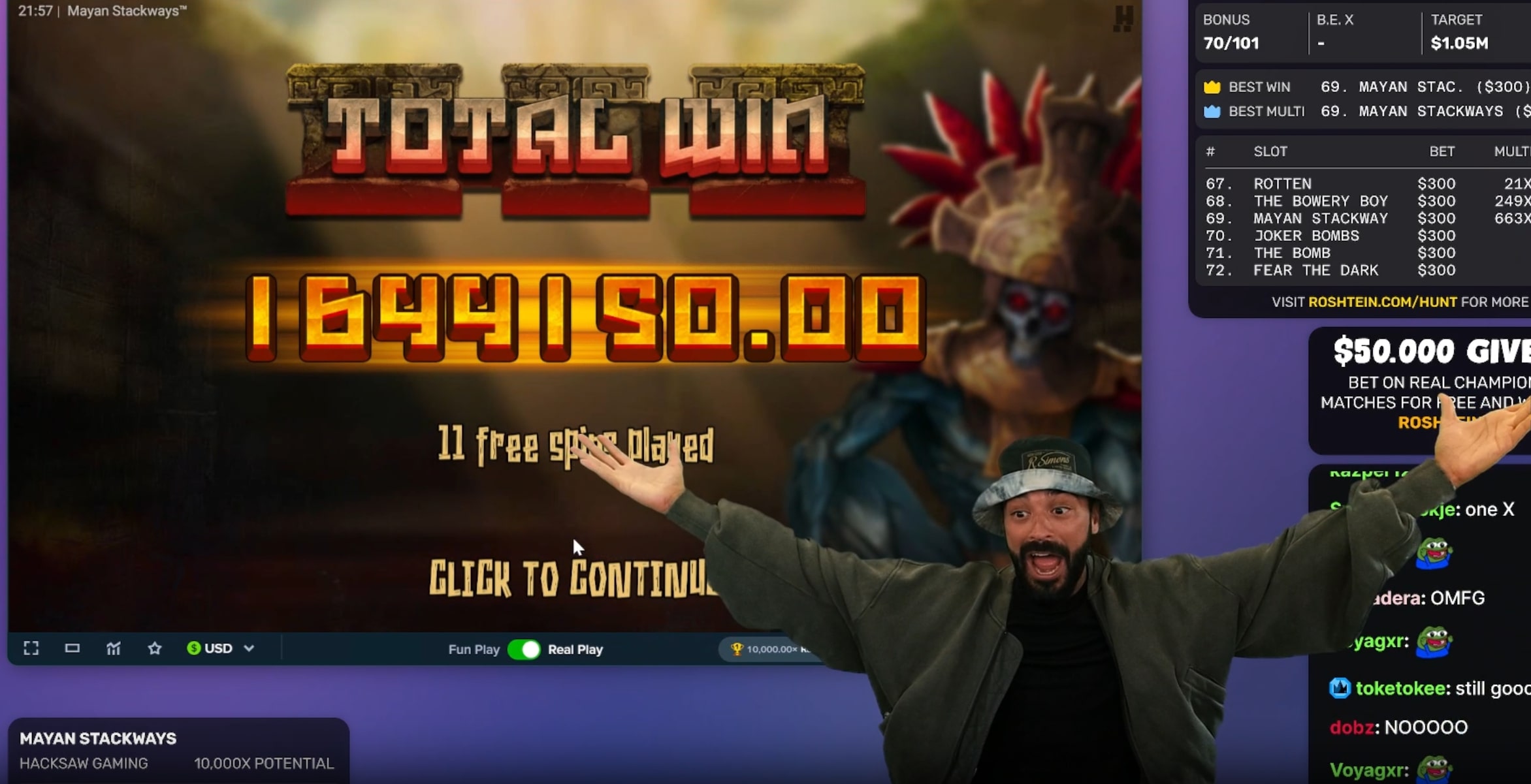
Names like Roshtein, Xposed, and Trainwreckstv took the audience with them. By early 2026, the top iGaming streamers were overwhelmingly active on Kick, generating tens of millions of hours watched every month.
Where Do Each Platform Stand Nowadays?
Fast forward to 2026, and each platform has settled into a distinct but evolving role. Let’s review them separately.
Kick: High-Stakes Core, But No Longer a Free-For-All
Kick remains the centre of gravity for live slot streaming. If you want to watch $100 spins, bonus hunts, or multi-hour sessions funded by sponsorship deals, this is still where it happens.
However, the idea that Kick is a “Wild West” is outdated.
Since early 2025, the platform has tightened its rules significantly. Streamers can now only promote casinos that meet licensing and verification standards, including age and ID checks. Sponsored content must be clearly disclosed, with verbal explanations during streams.
At the same time, Kick quietly removed hourly payouts for Slots & Casino creators in 2025, reducing direct platform incentives for gambling content. Kick still hosts gambling, but it’s pushing responsibility and compliance more than it did in its early days.
YouTube: Polished, Controlled, and US-friendly
YouTube plays a different game entirely. Casino content here is rarely live. Instead, edited videos, highlight reels, and sweepstakes-style gameplay are aimed at U.S. audiences. The tone is safer, more curated, and more brand-friendly.
This format aligns with regulatory pressure. In the U.S., where real-money online casinos face legal restrictions in many states, sweepstakes models have become the workaround. YouTube is the natural home for that version of the content.
Twitch: Smaller Gambling Scene, But a Bigger Contradiction
Twitch today is a quieter player in casino streaming, but arguably the most interesting one.
On paper, its stance hasn’t changed much since 2022. Streamers are still restricted from promoting unlicensed gambling sites, and enforcement remains strict.
But under the surface, something has shifted. In late 2025, Twitch began running platform-level betting advertisements in the U.S., integrating them into its ad system alongside regular commercial content. These ads promote regulated betting services like sports betting and fantasy platforms, not crypto casinos or offshore sites.
The Twitch Plot Twist
This is where the story really changes. For years, Twitch’s identity in the gambling debate was built on a clear distinction: creators couldn’t profit from certain types of gambling content because it was considered harmful or unregulated.
Now, the platform itself is profiting. The introduction of automated betting ads, shown to users without streamer control, has triggered backlash across the community. Critics point to a double standard: creators are restricted, but the platform can run gambling ads at scale and keep 100% of the revenue.
That tension cuts deeper than just policy. It challenges the original moral framing of the platform war.
Kick’s model is creator-driven. Streamers take sponsorship deals, often with casino-provided balances or affiliate structures. Twitch’s model is centralized. Ads are injected at the platform level, and creators don’t control them.
Ironically, that makes Twitch feel more like a traditional media company and less like a neutral host. For many long-time viewers, that’s the real plot twist.
What’s Changing for Streamers and Viewers?
While the platforms evolve, the biggest shift might be happening in the audience itself.
Slot streaming viewers in 2026 are more informed than they were even two years ago.
They understand:
- The difference between a real balance and sponsored funds
- How affiliate links work
- Why certain casinos appear repeatedly on streams
Transparency Is No Longer Optional
Disclosure rules are tightening everywhere. Sponsored content must be clearly labeled, whether it’s a Kick livestream or a YouTube video. Platforms are pushing for explicit “paid promotion” disclosures, not vague language.
Today, audiences are quicker to call out misleading setups than ever before.
Licensed-Only Ecosystems
Kick’s requirement that streamers only promote licensed, verified casinos marks a broader industry trend. The days of openly streaming unregulated crypto casinos to global audiences are fading. Regulation is catching up, and platforms are adjusting before they’re forced to.
Responsible Gambling
You won’t see heavy-handed messaging dominating streams. But responsible gambling is becoming part of the baseline. Age restrictions, content labelling, and clearer disclaimers are now baked into the experience.
Conclusion: The Platform War Didn’t End, It Evolved
If you step back, the casino streaming ecosystem in 2026 looks less like a battle between platforms and more like a negotiation between incentives. Kick still owns the live, high-stakes experience. YouTube controls the polished, advertiser-friendly format. Twitch sits in the middle – no longer anti-gambling, but not fully embracing it either.
And that’s the key shift.
The future of slot streaming won’t be decided by who has the biggest streamers or the highest view counts. It will be shaped by who can balance monetization with transparency and growth with regulation. The audience is watching more closely now, and in this version of the platform war, that might matter more than anything else.