FaZe Clan Breaks Apart: What Caused the Mass Departure
FaZe Clan’s Christmas implosion feels less like a shocking plot twist and more like a bad sequel to their hype-fueled glory days. The org that practically invented modern clip culture didn’t quietly fade out; it detonated in public.
As Ludwig put it bluntly while reacting to the news:
“There’s no better word to describe it than implosion. This is probably one of the most dramatic and shocking ends to an org.”
When creators like FaZe Adapt and FaZe Rug walk away after 13–14 years, it’s a pretty strong signal that the whole “FaZe is family” era finally hit its expiration date.
And at the center of it all? A familiar FaZe story: insane hype, massive reach, and absolutely no idea how to turn it into sustainable money.

The Christmas Exodus Nobody Could Spin
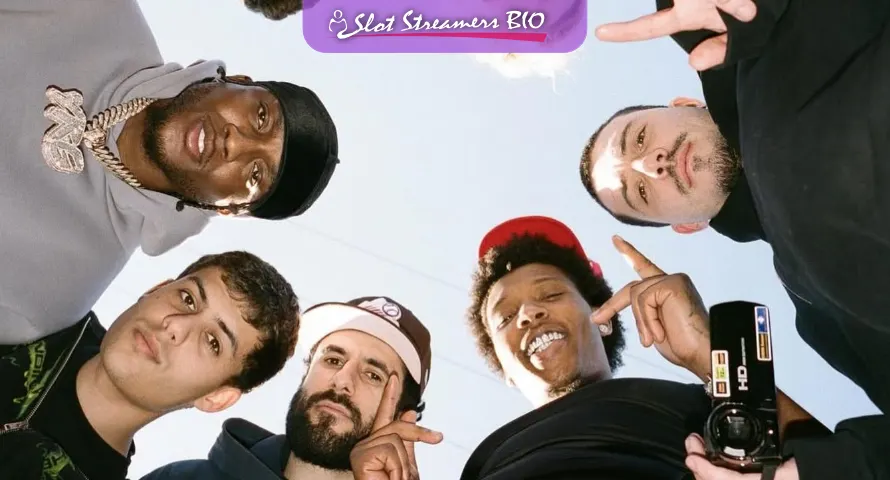
The collapse didn’t happen slowly, but all at once. On Christmas Day, FaZe members started posting farewell tweets like it was coordinated. Ron, Lacy, Silky, JasonTheWeen, Kaysan, Swag, YourRAGE, and more all announced they were out.
FaZe Adapt, one of the most synonymous names with the brand, left after 14 years.
“You don’t think of Adapt without thinking of FaZe,” Ludwig said. “And you don’t think of FaZe without thinking of Adapt.”
That tweet alone pulled 20+ million views, ironically, the kind of virality FaZe built its empire on. A few days later, FaZe Rug followed. Thirteen years gone.
At that point, the question wasn’t who’s leaving next; it was who’s even left?

FaZe’s Real Superpower (and Its Fatal Flaw)
FaZe mastered the modern streamer meta — do wild stuff, farm viral clips, dominate Twitter and TikTok, and turn attention into cultural relevance. And to be clear: it worked. Almost every creator who joined FaZe exploded in size.
- Streamers who averaged 2–5k viewers pre-FaZe became 10k–20k+ Andys
- Some creators had never streamed before and suddenly sat at the top of Twitch
- FaZe won Best Content Organization two years in a row
But here comes their real struggle. They are not good at making money. FaZe didn’t just fumble one sponsorship — they fumbled every system around monetization. Lost sponsors, missed shoots, deals falling through because no one executed. Ludwig joked that for an org that big, it felt like the only sponsor they ever landed was an energy drink that disappeared in a month.
From a Billion-Dollar Valuation to $11 Million Control
This is where the story gets absurd. At their peak, FaZe went public through a SPAC merger and hit a $1 billion valuation. On day one, the stock tanked by hundreds of millions.
Fast forward to now, how much money did it take to own half of FaZe Clan? $11 million… That’s it. The largest shareholder today is Matt Kalish, co-founder of DraftKings, and even he admits the truth:
“The current financial structure of FaZe is unsustainable.”
Which brings us to the deal that broke everything.
The Infamous 20% Deal
As FaZe tried to restructure, creators were reportedly offered a new deal through Hardcope — a creator management platform tied to FaZe’s ownership.
The pitch? FaZe (or Hardcope) takes 20% of creator revenue. No equity or ownership, just a cut. Ludwig summed it up perfectly:
“That deal would have worked on every single one of these creators before they joined FaZe. Now? There’s just no reason.”
By the time the offer came, creators were already 5x–20x bigger. Giving up 20% didn’t feel like growth but more like a tax. That’s when loyalty stopped being enough.
FaZe Banks: Gone… But Not Really
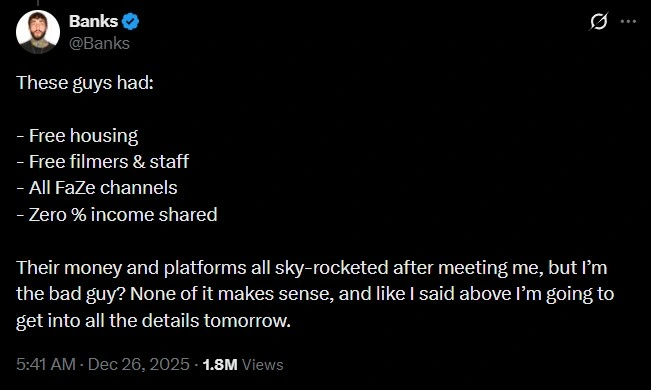
Publicly, FaZe Banks said he stepped away months earlier and had “nothing to do” with the current situation, but many fans are not buying it. It doesn’t make sense to say “I’m not part of FaZe” when you’re advising or involved in the company that literally funds FaZe.
Behind the scenes, interpersonal issues between Banks and talent reportedly played a huge role. Creators wanted leadership changes. Ownership wanted stability. Nobody trusted anyone, and no one wanted to sign a long-term deal under that tension. At that point, it stopped being about drama and became pure business.
Why Loyalty Finally Lost
Here’s the uncomfortable truth. Every single one of those guys would tell you joining FaZe was the best decision of their career, and that’s true. FaZe made stars, but this is not a friendship. This is a business. When Rug, Adapt, and Apex leave, nostalgia doesn’t pay the bills. And once creators realize they can reinvest that 20% into themselves instead of the brand, the math becomes obvious.
Is FaZe Dead?
Not exactly. FaZe still exists through esports. The name still carries weight, and as Ludwig joked, “FaZe is kind of a cockroach.” But the creator collective era (the mansion streams and group shoots) is effectively over.
Ironically, FaZe may survive by becoming smaller, leaner, and less ambitious. Or it may reboot again with new faces chasing the same hype loop. Either way, the lesson is clear: FaZe didn’t die because people stopped caring. It collapsed because attention without sustainability only works… until it doesn’t.
More from Slot Streamers Bio
2025’s Most Influential Casino Streamers: Impact, Reach & Culture
Mizkif Joins Kick: The Least Surprising 15 Million Plot Twist
Why SteveWillDoIt’s Impaulsive Podcast Appearance Went So Wrong